Donnerstag, 23. September 2010

THE FLOATING BUFFET CONCEPT:


Concept of a Floating Buffet


  • Floating Buffet® is representing “A Revolutionary Movement in Catering Industry”.
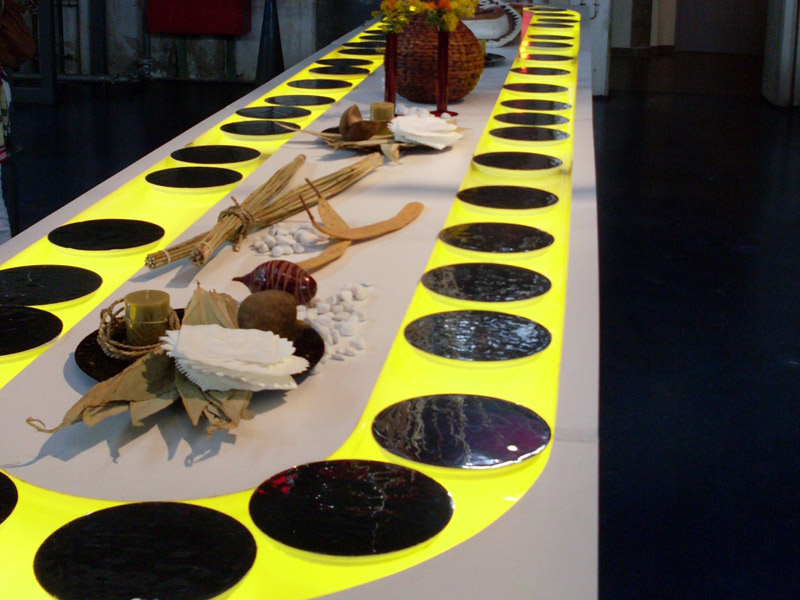
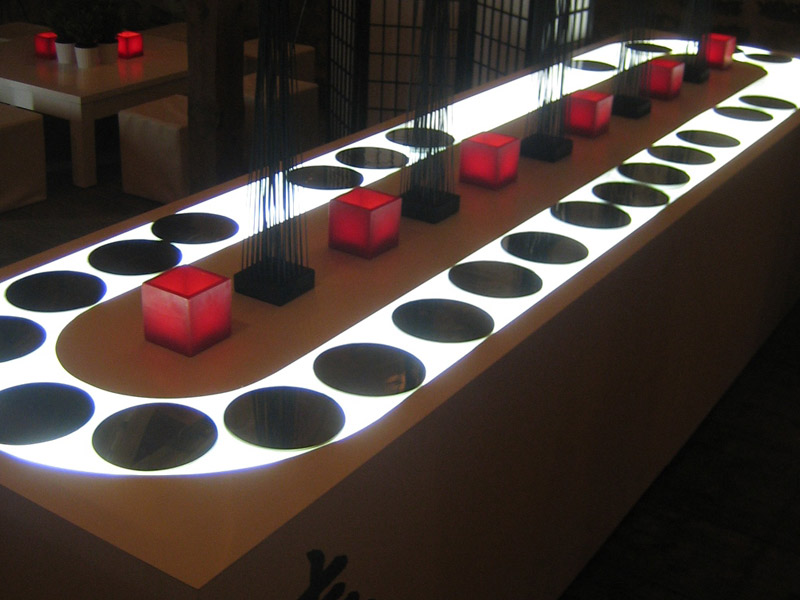
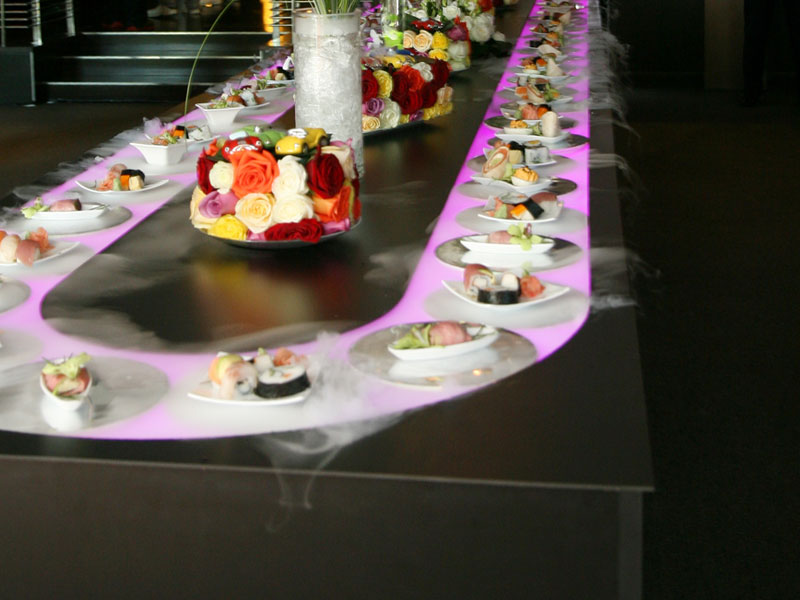
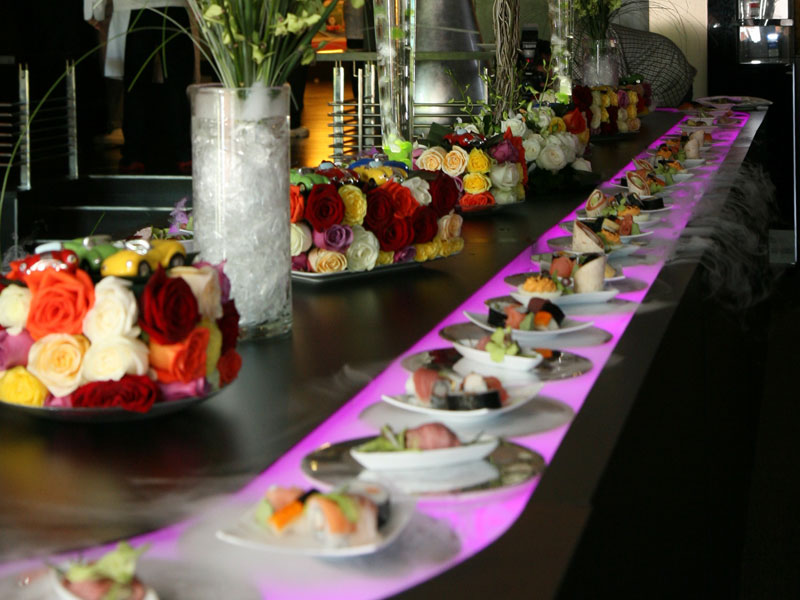
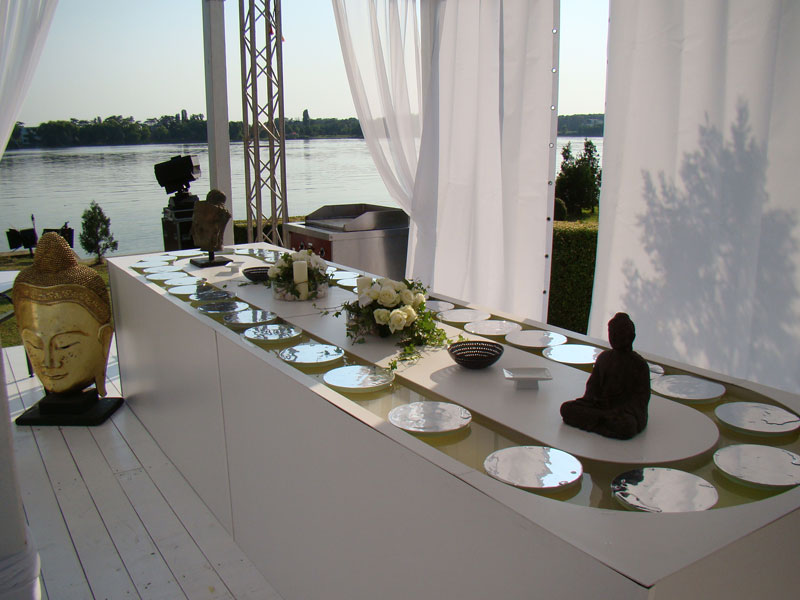
  • The food items aren’t displayed on the conventional static way as on a traditional buffet. Instead it is presented using continuously moving water way on a mobile Floating buffet®.
  • The water way is lighted from beneath. Color can be changed according to your party needs.
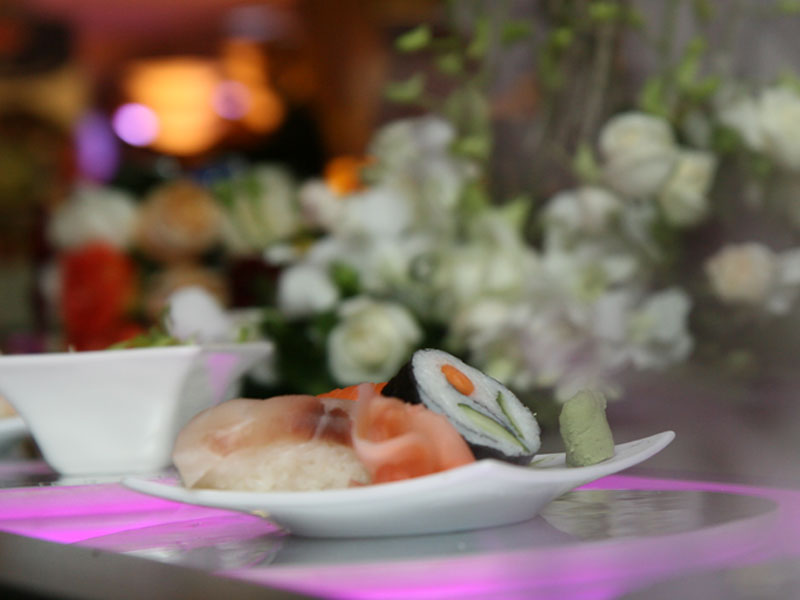
  • The specially designed food items are individually plated and presented to your guests on floating plates.
  • This new Catering Concept is representing a new area in the catering industry.
  • Inspire yourselves from the innovative advantages what the Floating Buffet® can offer.
  • Redefine the Meaning of VIP Cocktail Service
  • This innovative buffet is giving you a competitive edge to be different then your competitors on the market!
  • Contact us for more details and be a part of the latest trend setting revolution in the Catering Industry.


Contact details:


International sales

office@floatingbuffet.com

Telephone: +40 758 103 900


Rental & Catering Services

catering@floatingbuffet.com

Telephone: +40 744 836 444


www.floatingbuffet.com


As usual I will await for your valuable feedback.

Until the next issue.

Don't forget to visit Chef. Gianfranco Chiarini's web page @: http://www.executivechefgianfrancochiarini.com/

And if you are not a fan of his culinary page; click on:

http://tinyurl.com/brc9vz

With our warmest culinary regards.

Anna Chiarini. 

Dienstag, 21. September 2010

How to make a refreshing, ITALIAN MOJITO.

Mojito is my favorite cocktail. Rum, mint, lime, and sugar combine to make an incredibly delicious and thirst-quenching drink.

According to the legend told by the late Angel Martinez, the origins of the Mojito derive from a drink made of sugar cane-sweetened water spiked with unrefined rum that was consumed by slaves in Cuba in the late 19th century.

By the early 20th century, the story goes, the Mojito came into its own in Cuba as a popular drink at the Playa de Marianao, a working-class beach in a borough of Havana.

International acclaim for the cocktail emerged after 1946, the year that Mr. Martinez opened La Bodeguita del Medio in Havana and started to serve Mojitos endorsed by Ernest Hemingway, attracting the likes of Brigitte Bardot, Pablo Neruda, Nat King Cole, and Errol Flynn, among others.

Today, La Bodeguita is a major tourist destination (tourist trap, according to this article), has even spawned a copycat in Palo Alto, California.

I like to make my Italian Mojito by muddling a substantial amount of Basil leaves (5 to 10, depending on their size, though I don't think I've ever used too much Basil leaves and Lemongrass) with two teaspoons of sugar (a mortar and pestle will also work for this step).

The important thing is to grind the sugar into Basil leaves and Lemongrass so that the granules are completely incorporated and dissolved within the Basil and Lemongrass and its juices. This will form a sort of paste of Basil, Lemongrass and sugar. Combine with the juice of one lime and the leftover lime, cut into quarters. Add two ounces of white rum.

I like to use Marti Autentico Licor de Ron, Cuban-style white rum that is flavored with lime and mint, that’s why I made the twist without the mint leaves as they are already added here in the liquor. I add San Pellegrino water instead of the Club Soda, crushed ice, and shake in a cocktail shaker.

Garnish with a sprig of lime, Basil and Lemongrass or even Mint.

Now without further due, let’s make this Mojito twist my way and let’s drink responsible ok?

For the simple syrup...

2 cups water
1 1/2 cups sugar
1/4 cup chopped Basil leaves, loosely packed
1/4 cup lemon grass, chopped, outer stalks removed first

For the cocktail...

1 Liter Marti Autentico Licor de Ron, Cuban-style, chilled (in absence of Marti Autentico Licor de Ron, Cuban-style you can use Grey Goose)

1 bottle Pellegrino mineral water or seltzer or club soda, chilled herb-infused simple syrup from above.

1 lime, cut into quarter wedges, then cut in half again (or 1 lemon, cut similarly)

1 bunch, approximately half cup, clean Basil leaves, coarsely chopped (leave some whole if you want to add some drama to the glass!)

Crushed ice

For the garnish

Lime wedges, inner stalk of lemon grass as a swizzle, Basil leaves left whole or mint like I said before.

1. To make the herb-infused syrup place the sugar and herbs in a mortar and mix the sugar with the juices, let it rest. Then add the whole after 15 minutes to the water in a pot over medium heat, stir till sugar dissolves. Bring to a boil. Stir in the Basil leaves, and lemon grass.

Bring back to a boil and cook for approximately a minute. Turn heat down to simmer, and allow herbs to infuse the syrup for approximately twenty minutes. Turn off heat, and allow steeping for at least an hour. Taste. If the syrup doesn't taste properly infused, then bring back to a boil, and repeat.

Be careful not to over boil as the syrup will turn bitter. Set aside and allow cooling.

2. In bottom of a rocks glass place coarsely chopped Basil leaves. Put lime (or lemon) wedges on top of leaves and pour in one jigger (approximately two ounces) of the simple syrup. Using a wooden spoon, the palm end of a hand-held citrus juicer, or even the bottom of a small shot glass; mash the lime and leaves so that the oils and juice are released from both. You should have a nice pulpy mess in the bottom of the glass when you're finished.

3. Add to the glass one jigger of mineral water or soda water. Add a few pieces of crushed ice. Stir.

4. Top with one jigger of Marti Autentico Licor de Ron, Cuban-style or the replacement killer I suggested. Stir well. Garnish with lime (or lemon,) a thin stalk of lemon grass as a swizzle, and a few whole leaves of the Basil leaves. Enjoy!

NOTES: While I used mineral water, I think seltzer or club soda might have actually been better as their higher sodium content would have mixed well with the peppery nature of the Basil leaves and the slight sting of the lemon grass in the simple syrup. Either way, the effervescence gave nice buoyancy to all of the ingredients. Of course I wanted to make it Italian.

I called this an Italian Mojito because of the similarities in their means of preparation, not because of similarities in ingredients.


With our warmest culinary regards.

Don't forget to visit our page: @:http://www.executivechefgianfrancochiarini.com/

And if you are not a fan of our culinary page; click on:

http://tinyurl.com/brc9vz

Montag, 20. September 2010

Quando la cucina diventa poesia. Intervista a Gianfranco Chiarini

Lunedì 20 Settembre 2010 00:23 Silvio Cisamolo

Prisma News Periodico Nazionale di Informazione.

http://www.prismanews.net/cucina/quando-la-cucina-diventa-poesia-intervista-a-gianfranco-chiarini.html

Quando la cucina diventa poesia.
Intervista a Gianfranco Chiarini


Chiarini


La cucina italiana é indubbiamente il nostro prodotto nazionale meglio riconosciuto all’estero. Il motivo risiede dalla combinazione di componenti quali la varietà di ingredienti e specialmente di vegetali, la fantasia nel ricercare sempre nuove combinazioni e ricette, ma soprattutto l’amore, la passione per il mangiar bene Pochi giorni fa ho avutoil piacere di incontrare ad Amburgo Gianfranco Chiarini, un cuoco italiano che ha portato il suo entusiasmo per il piacere del palato attraverso tutto il mondo.

Nato a Ferrara, nel cuore dell’Emilia-Romagna e cresciuto in seno ad una famiglia di cultura internazionale, si trasferisce prima a New York e successivamente a Caracas dove frequenta l’Istituto di Alta Gastronomia, e poi il Culinary Institute of America a Pittsburgh, e in Europa ha conseguito il diploma di Master Chef all’istituto Cordon Blue di Parigi, per poi tornare nella sua Ferrara dove viene nominato Maestro di Cucina dalla FIC (Federazione italiana Cuochi).

Sentendolo parlare si resta impressionati dall’energia investita nello studio dei sapori e delle loro combinazioni e guardando la sua homepage www. executivechefgianfrancochiarini.com si resta investiti da fotografie di piatti dove gli ingredienti sono come pennellate sulla tela, dove ogni colore è fine a sé stesso, ma tutti insieme formano l’immagine. Il tutto condito da splendida musica lirica.

Prima di cominciare l’intervista Gianfranco si scusa con me se il suo italiano non gli permette di trovare sempre la parola giusta, ma, mi dice, è purtroppo lo scotto da pagare quando si gira per il mondo e soprattutto si parlano 7 lingue….

Come si descrive Gianfranco Chiarini?

Sono un italiano all’estero già da parecchi anni, sono una persona appassionata della cucina ed ho avuto il privilegio di lavorare in tutti i continenti nel corso di 25 anni. Ho avuto la possibilità di conoscere grandi Chef ma anche “piccola gente” da cui ho imparato tanto. Sono forse uno dei pochi Chef italiani che ha lasciato la propria patria per viaggiare per imparare tanto delle tradizioni e cucine di tutto il mondo.

Com’è stata la Sua esperienza all’estero?

Sono nato e cresciuto a Ferrara, nel cuore dell’Emila-Romagna e poi con i miei genitori abbiamo girato diversi paesi. Sono cresciuto trilingue, con italiano inglese e spagnolo. Ho cominciato ad avvicinarmi al mondo culinario in Italia, America e Venezuela. Successivamente sono diventato Chef professionista e ho lavorato in Australia, Africa, Middle East e ovviamente qui in Europa.

Che cos’è per Lei la cucina italiana e come vede la cucina italiana nel mondo?

La cucina italiana è il prodotto di 3000 anni di conquiste ed evoluzioni, partendo dall’Impero Romano, passando da Caterina de’ Medici, e poi il rinascimento fino ad oggi con i nuovi Chef. Si potrebbe parlare del maestro Vissani, o Heinz Beck che lavora al “La Pergola” a Roma (il ristorante dell’Hotel Hilton ndr) con tre stelle Michelin.

La cucina italiana è il risultato di tante culture diverse, è il risultato di quello che è riuscita ad imparare da tradizioni e influenze anche di tanti paesi. Ma è anche la cucina che è riuscita a dare a tante altre culture!

Che differenza c’è tra la cucina italiana e quelle, magari più blasonate provenienti da altri paesi?

GC: La prima forma di esportazione della cucina italiana è stata con Caterina de’Medici, sposata con Enrico II re di Francia´: ha portato con se la tradizione di come apparecchiare la tavola. Al suo seguito una schiera di cuochi e pasticceri fiorentini hanno trasmesso l’esperienza culinaria della Toscana del XVI secolo ai francesi. A volte la verità fa male, ma bisogna dirla…………

Quali sono i Suoi piatti preferiti, specialmente in relazione alla vasta esperienza in campo mondiale?

La mia tradizione è ferrarese, mi piacciono i cappellacci di zucca, la salama da sugo, sono innamorato dell’ossobuco alla milanese, piatti semplici, che però per essere fatti per bene bisogna avere gli ingredienti giusti, quelli originali.

Nel 2011 esce un Suo libro in inglese. Ce ne può parlare?

Il libro si intitola “The new reneissance of the italian fusion cuisine” 1.0, e avrá una copertina verde, a cui ne seguirà uno bianco nel 2012 e uno rosso nel 2013, così che alla fine lo Chef o l’amatore della cucina italiana si troverà in mano una triologia con i colori della bandiera italiana. Il nome trae origine dalla ricerca di definizione dei nuovi piatti della cucina italiana, senza per questo andare a mettere in secondo piano i “classici” che hanno reso famosa la nostra tradizione alimentare nel mondo.

Il libro è diviso in 11 capitoli dove descrivo nuovi modi di preparare dei prodotti tipici. Parleremo tra l’altro di ossobuco alla milanese, o di lasagne, ma reinventando la preparazione agendo per esempio su un ossobuco di cernia, o seguendo un altro metodo per preparare le lasagne. Parlo di Fusion perché ho unito la cucina italiana con quella francese, giapponese, polacca, coreana, araba, africana….. Il libro verrà distribuito attraverso il mio sito o i miei blog, e ogni copia verrà autografata e dedicata personalmente a ogni lettore.

Come definirebbe l’Italia e gli italiani?

Noi italiani siamo il popolo più appassionato al mondo. Ci sono molti altri paesi con bravissime persone che mettono la passione in tutto quello che fanno, ma noi italiani….

La quantità di prodotti che viene dall’Italia a livello di musica, abbigliamento, alimentari, profumi, macchine, la nostra architettura…. L’Italia è un paese di passione, c’è nel sangue. Da noi è normale parlare forte, quasi gridare, muovendo le mani. Quando cucino io canto: per me la musica e la cucina sono cose intimamente collegate. Per questo ho messo sul mio sito foto di piatti realizzati in diverse parti del mondo e vengono sempre accompagnate da musica lirica italiana.

Riuscirebbe a consigliare un piatto descrivendolo in pochi secondi?

Forse ci riuscirei in 15 minuti! Vorrei però suggerire un piatto interessante ottenuto dalla fusione della tradizione culinaria italiana e spagnola: saltimbocca di salmone con prosciutto di Pata Negra, in un nido di marmellata di carciofi con una delicata salsa olandese con finocchio selvatico e zafferano.

Qual’ è il Suo rapporto con l’Italia e con gli italiani?

GF: Il mio rapporto con l’Italia è molto stretto, non solo come Chef Michelin ma anche per via di collaborazioni con diverse altre grandi aziende.

Il mio fine è quello di “educare” la gente a mangiare prodotti buoni, non inquinati con sostanze chimiche. Il mio rapporto con l’Italia è quello di proteggere la nostra cucina e le nostre tradizioni. Bisogna insegnare ai giovani a mangiare bene e mangiare sano, anche se con in po’ di stravaganza nella preparazione! La qualità degli ingredienti è alla base di una buona cucina.

Un’ultima battuta in conclusione…

Viva l’Italia, il paese che è e resterà nel mio cuore, indipendentemente da quale accento avrò, e quante altre lingue imparerò!!!

Conclusa l’intervista e poco prima di andare via ringrazio Gianfranco Chiarini per il tempo che mi ha dedicato e per la travolgente poesia con cui ha descritto la sua professione e le sue teorie sull’evolversi della tradizione culinaria italiana. Sicuramente ci rincontreremo, magari attorno ad un tavolo imbandito…..

Samstag, 18. September 2010

FOR CHEFS AND CULINARY PROFESSIONALS ONLY:

THE BIGGEST CULINARY DATA-BASE IN THE GLOBE:

Dear, Chefs and Culinary Professionals.

First of all thank you for having joined the culinary page of our awarded chef, Gianfranco Chiarini. Your presence there is highly appreciated.

The reason for this communication today is to inform you all that Chef. Gianfranco has created the biggest Culinary Data-Base on the web.

This data-base will be used to help you find new opportunities in the market, new contacts, networking solutions and culinary problem solving around the world.

When you need a culinary connection with a particular continent this data base will connect you with the Chef or the Chefs whom can clear your culinary doubts.

The data base as we said will be divided by continents and there will be a Culinary Director per Continent, and sub directions per country.

The success of this data base counts on your cooperation as we need you all to join in order to help it grow. All we need from you is to fill a small form that will go directly into a global data base.

Please click her: https://spreadsheets.google.com/viewform?formkey=dFJhUmM1QnhkaGxpUjNXdk9OYkMySFE6M

and you'll be re-directed immediately into our data filler.

Thank you all for your cooperation, and we are looking forward to the success of this project and the development of this very important tool that will help us all for the first time on a global scale. Be a part of something big.

Remember to spread the voice into this huge globe project.

With our warmest culinary regards.

Don't forget to visit our page: @:http://www.executivechefgianfrancochiarini.com/

And if you are not a fan of our culinary page; click on:http://tinyurl.com/brc9vz

Freitag, 17. September 2010

How to make a delicious Pear & Caramel Ice cream.

PEAR CARAMEL ICE CREAM.

RECIPE.

1 C. sugar
1 1/2 C. heavy whipping cream
2 large very ripe pears, peeled and thinly sliced
1/2 C. sugar
1/2 C. milk
1 vanilla bean, scraped

PREPARATION.

Begin by making the caramel. Put 1 cup of sugar in a heavy saucepan over very low heat. Swirl it around every minute or so until it turns light brown. Begin stirring as the sugar starts liquefying. Once the lumps are gone, stir vigorously (do not leave it or it will boil over and burn!) for another two minutes. The color should be a rich brown.

Remove the pan from the heat and carefully add 1/3 cup of warm water. The caramel will sputter and steam as it hardens. Return the pan to very low heat, stirring constantly, until caramel is liquid again. Add the pears to the pan and stir constantly, cooking until soft, about 3-4 minutes.

Take off the stove and use a slotted spoon to remove the pears, allowing the caramel to drip back off into the pan. Puree the pears in a food processor or blender until relatively smooth. Set aside.

Put the half-cup of sugar, cream, milk and vanilla scrapings/pod in a medium saucepan and heat over medium until sugar is dissolved and the mixture is warm. Fish out the vanilla pod and discard. Using an electric mixer, whip the cream mixture for several minutes until the mixture thickens and you notice an increase in volume.

Fold in the pureed pears and half of the slightly cooled caramel. Pour the mixture into your ice cream machine and freeze according to manufacturer’s directions. Just before removing the ice cream from the machine, drizzle in the remaining caramel and allow it to mix in slightly for about 30 seconds.

Put ice cream in an airtight container and place in your refrigerator freezer until firm. And Buon Appetito!


Don't forget to visit my favorite Chef's web page @: http://www.executivechefgianfrancochiarini.com/

And if you are not a fan of his culinary page go ahead and do it now; click on: http://tinyurl.com/brc9vz